
The Role of Surveillance Cameras in Modern Security Systems
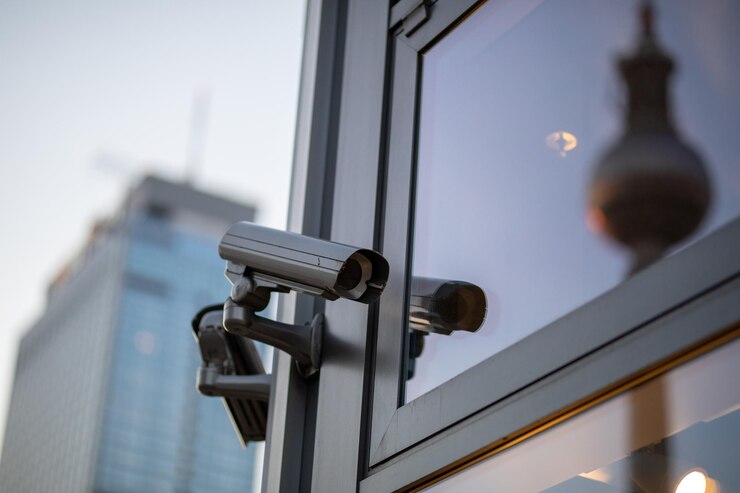
Surveillance cameras have become a central component of modern security systems, supporting crime prevention, evidence collection, and real-time threat response. Advancements in digital imaging, cloud storage, artificial intelligence (AI), and remote connectivity have transformed traditional closed-circuit television (CCTV) into intelligent, networked security platforms. This article examines the evolving role of surveillance cameras in residential and commercial environments, their integration with alarm monitoring systems, legal and ethical considerations, and their impact on crime deterrence and public safety.
Modern security strategies rely on layered protection. Surveillance cameras now function not only as recording devices but also as active monitoring tools that integrate with alarms, access control systems, and emergency response protocols. The widespread adoption of internet-enabled cameras has expanded visibility and situational awareness for homeowners, businesses, and institutions.
Crime data from the Federal Bureau of Investigation (FBI, 2023) indicate that property crimes remain a significant concern in both residential and commercial sectors. In response, security systems increasingly incorporate video verification and remote access capabilities to enhance detection and response efficiency.
Evolution of Surveillance Technology
Early surveillance systems were limited to analog closed-circuit television with on-site recording. Modern systems utilize high-definition (HD) and ultra-high-definition (4K) cameras, night vision, motion detection, cloud storage, and AI-based analytics.
Technological advancements include:
-
Internet Protocol (IP) cameras
-
Cloud-based video storage
-
Mobile app remote viewing
-
AI-powered facial and object recognition
-
Smart motion detection with reduced false alarms
These innovations allow users to receive instant alerts, review footage remotely, and share video evidence with law enforcement in real time.
Crime Deterrence and Prevention
Research suggests that visible surveillance cameras can deter opportunistic crime. The perception of being observed increases the perceived risk of apprehension. Cameras placed at entrances, parking areas, and high-traffic zones signal active monitoring.
According to studies referenced by the National Institute of Justice (NIJ), surveillance systems can contribute to measurable reductions in certain types of property crimes, particularly when combined with environmental design strategies and alarm monitoring services.
However, deterrence effectiveness depends on camera placement, visibility, and integration with response mechanisms. Cameras alone, without monitoring or follow-up action, may have limited preventive value.
Integration with Alarm Monitoring Systems
Surveillance cameras are most effective when integrated with professional alarm monitoring. Video verification allows monitoring centers to confirm whether an alarm trigger represents a genuine threat. This reduces false dispatches and accelerates emergency response.
Integration capabilities include:
-
Live video feeds linked to intrusion sensors
-
Automated recording during alarm events
-
Two-way audio communication
-
Remote arming and disarming
The The Monitoring Association (TMA) promotes industry standards that encourage video verification as a best practice for improving law enforcement prioritization of alarm calls.
Residential Applications
In residential settings, surveillance cameras support:
-
Front door monitoring (video doorbells)
-
Perimeter protection
-
Package theft prevention
-
Child and elderly monitoring
-
Vacation property oversight
Homeowners benefit from remote access through smartphones, allowing them to monitor activity in real time. The ability to store footage in secure cloud systems ensures access to evidence even if on-site equipment is damaged or stolen.
Commercial and Institutional Applications
In commercial environments, surveillance cameras serve broader operational purposes, including:
-
Loss prevention and shrinkage reduction
-
Workplace safety monitoring
-
Liability protection
-
Access control verification
-
Regulatory compliance documentation
Industries such as retail, healthcare, hospitality, and logistics rely heavily on surveillance to protect assets and personnel. Video records often play a critical role in insurance claims and legal investigations.
Legal and Ethical Considerations
The expansion of surveillance technology raises important privacy and ethical concerns. Laws governing video recording vary by jurisdiction but generally address:
-
Reasonable expectation of privacy
-
Audio recording consent requirements
-
Data storage and retention policies
-
Public vs. private space recording
Organizations must balance security objectives with civil liberties and ensure compliance with local and federal regulations. Clear signage, transparent policies, and secure data management practices are essential for maintaining trust.
Artificial Intelligence and Future Trends
Artificial intelligence is transforming surveillance systems from passive recorders into proactive analytical tools. AI-enabled features include:
-
Facial recognition
-
License plate recognition
-
Behavioral pattern analysis
-
Object tracking
While these capabilities enhance detection accuracy, they also intensify debates about privacy, data governance, and ethical deployment. Future developments are likely to emphasize improved encryption, cybersecurity safeguards, and responsible AI implementation.
Limitations of Surveillance Systems
Despite technological advancements, surveillance cameras have limitations:
-
Blind spots due to poor placement
-
Vulnerability to hacking if unsecured
-
Dependence on internet connectivity
-
Potential misuse of recorded data
To maximize effectiveness, cameras should be part of a layered security strategy that includes alarms, access control, physical barriers, and professional monitoring.
Conclusion
Surveillance cameras play a pivotal role in modern security systems by enhancing visibility, supporting rapid response, and contributing to crime deterrence. Their integration with alarm monitoring services strengthens verification processes and improves emergency coordination.
As technology advances, surveillance systems will continue evolving toward smarter, more interconnected platforms. However, successful implementation requires careful consideration of privacy, legal compliance, cybersecurity, and ethical responsibility. When strategically deployed, surveillance cameras serve as both a protective measure and a valuable tool for maintaining safety in residential and commercial environments.
References
Federal Bureau of Investigation. (2023). Crime in the United States report.
National Institute of Justice. (2022). The impact of video surveillance on crime prevention.
The Monitoring Association. (2023). Alarm monitoring industry standards and best practices.





Leave a Reply
Want to join the discussion?Feel free to contribute!