Why Homeowners Consider Switching
There are several common reasons homeowners evaluate new monitoring providers:
-
Increasing monthly monitoring fees
-
Long-term contracts with high cancellation penalties
-
Slow emergency response times
-
Limited smart home compatibility
-
Poor customer service experiences
-
Outdated or unsupported equipment
According to consumer reports and industry surveys, service quality and response reliability are often more influential than price alone. Security is fundamentally about trust—homeowners must feel confident that their provider will act immediately when an emergency occurs.
Reviewing Your Current Contract
Before initiating a switch, carefully review your existing agreement. Many monitoring providers require multi-year contracts with early termination clauses. Key points to examine include:
-
Contract length and renewal terms
-
Cancellation notice requirements
-
Early termination fees
-
Equipment ownership (leased vs. owned)
-
Transferability of equipment
Some providers automatically renew contracts unless written notice is provided within a specific timeframe. Clarifying these details prevents unexpected charges and service interruptions.
Equipment Compatibility and Takeover Options
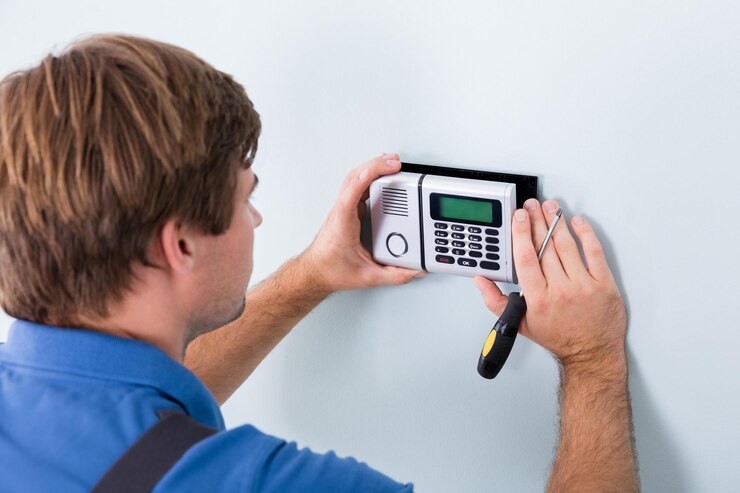
One of the biggest concerns when switching providers is whether existing equipment can be reused. Fortunately, many modern monitoring companies offer “system takeover” services. This means they can reprogram compatible control panels, sensors, and cameras without requiring a full replacement.
Wireless and smart-enabled systems are often easier to transfer. However, proprietary systems installed by certain providers may limit compatibility. Homeowners should request a professional assessment to determine whether their current hardware can be integrated into a new monitoring platform.
Evaluating Monitoring Standards
Not all monitoring services operate at the same level of quality. When selecting a new provider, consider:
-
Is monitoring available 24/7/365?
-
Are calls answered by certified agents?
-
Does the company offer two-way voice communication?
-
Are monitoring centers redundant (multiple locations for backup)?
-
What is the average response time?
In the United States, monitoring centers may be certified by organizations such as The Monitoring Association (TMA), which establishes industry standards for reliability and operational excellence. Certification demonstrates adherence to recognized best practices.
Additionally, crime data from the Federal Bureau of Investigation highlights the ongoing need for reliable alarm verification and rapid dispatch procedures, particularly in residential burglary prevention.
Avoiding Security Gaps During the Transition
A critical step when switching providers is ensuring there is no lapse in monitoring coverage. The new provider should coordinate activation before the current service is fully canceled.
Best practices include:
-
Scheduling installation or reprogramming before canceling the existing service.
-
Confirming written activation from the new monitoring center.
-
Testing the system with the new provider to verify communication.
Even a short gap in monitoring can expose a home to unnecessary risk, especially if signage or visible equipment suggests active protection.
Comparing Costs Beyond the Monthly Fee
While price is important, homeowners should evaluate overall value rather than focusing solely on the monthly rate. Consider:
A slightly higher monthly fee may be justified if it includes superior customer service, faster response times, or enhanced smart home integration.
Smart Home Integration and Future-Proofing
Modern homeowners increasingly expect seamless integration between their alarm systems and smart home devices. Switching providers can be an opportunity to upgrade capabilities such as:
-
Remote arming and disarming
-
Real-time mobile alerts
-
Smart locks and lighting control
-
Video doorbell integration
-
Environmental hazard monitoring (fire, carbon monoxide, water leaks)
Choosing a provider that supports open-platform integration ensures long-term flexibility as new technologies emerge.
Customer Service and Reputation
Security is built on reliability and trust. Before making a final decision, homeowners should review:
-
Verified customer testimonials
-
Online ratings
-
Complaint resolution history
-
Transparency in billing practices
A provider’s responsiveness during the sales and onboarding process often reflects the quality of long-term support.
Conclusion
Switching alarm monitoring providers can be a smart and strategic decision when service quality, pricing, or technology no longer meets expectations. By carefully reviewing contracts, verifying equipment compatibility, evaluating monitoring standards, and coordinating a seamless transition, homeowners can enhance their protection without unnecessary disruption.
Ultimately, the goal is not simply to change providers—but to secure stronger reliability, better service, and greater peace of mind for years to come.




Leave a Reply
Want to join the discussion?Feel free to contribute!