
The Importance of 24/7 Alarm Monitoring for Homes and Businesses
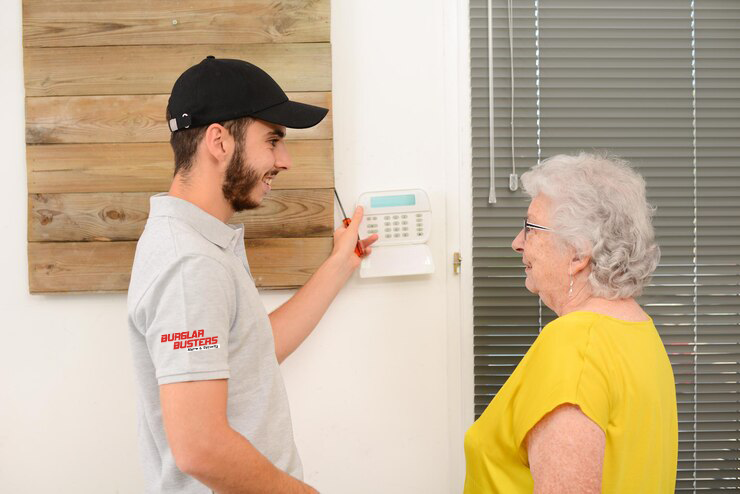
Security threats do not operate on a schedule. Residential break-ins, commercial burglaries, fire emergencies, and unauthorized access incidents frequently occur during late-night or low-occupancy hours. For this reason, 24/7 professional alarm monitoring remains one of the most essential components of modern property protection strategies.
While alarm systems themselves serve as deterrents, monitoring transforms a passive system into an active, responsive security solution. Continuous professional oversight significantly increases the likelihood of immediate emergency response and reduces the potential for property damage, financial loss, or personal harm.
Property crime continues to impact both residential and commercial sectors across North America. Research indicates that properties without security systems are substantially more likely to be targeted by offenders (Electronic Security Association [ESA], 2022). Criminals often select locations perceived as vulnerable, unoccupied, or lacking visible security measures.
For businesses, theft and vandalism can result in inventory loss, operational downtime, and reputational damage. For homeowners, burglary can cause not only financial loss but also psychological distress and a diminished sense of safety.
The unpredictability of criminal behavior reinforces the importance of uninterrupted protection. Security cannot depend solely on whether a property owner is awake, present, or available to respond to a mobile notification.
How 24/7 Professional Monitoring Works
A professionally monitored alarm system connects to an insurance-approved central monitoring station staffed by trained operators. When an alarm is triggered — whether due to intrusion, fire, panic activation, or environmental hazard — the monitoring center receives the signal instantly.
Operators follow established verification protocols and, when necessary, dispatch emergency services immediately. This structured and professional response reduces delays that may occur with self-monitored systems, where alerts depend entirely on the availability and reaction time of the property owner.
In critical situations, minutes matter. Rapid dispatch can significantly reduce fire damage, limit theft losses, and enhance occupant safety (National Fire Protection Association [NFPA], 2023).
Residential Benefits of Continuous Monitoring
For homeowners, 24/7 monitoring provides layered protection that extends beyond intrusion detection. Modern systems can integrate:
-
Fire alarm response
-
Carbon monoxide monitoring
-
Panic alarm activation
-
Flood or environmental sensors
This comprehensive approach ensures that even when occupants are asleep, traveling, or away from home, professional responders remain vigilant.
Additionally, many insurance providers offer premium discounts for professionally monitored systems, reflecting the reduced risk exposure associated with protected properties (Insurance Bureau of Canada [IBC], 2023).
Commercial Advantages for Businesses
For businesses, continuous monitoring supports operational continuity and risk management. Unauthorized access after business hours can result in significant financial loss. Retail theft alone accounts for billions in annual losses across North America (National Retail Federation [NRF], 2023).
Professional monitoring enhances:
-
After-hours protection
-
Employee safety
-
Liability reduction
-
Insurance compliance
-
Asset preservation
By ensuring immediate response to alarm events, businesses reduce potential downtime and protect revenue streams.
Psychological and Strategic Value
Beyond measurable financial benefits, 24/7 monitoring delivers psychological reassurance. Knowing that trained professionals are actively overseeing a property provides peace of mind to homeowners and business owners alike.
From a strategic perspective, continuous monitoring demonstrates proactive risk management. It reflects a commitment to safety, responsibility, and long-term asset protection.
The Limitations of Self-Monitoring
While mobile app alerts offer convenience, self-monitoring alone may not be sufficient. Property owners may miss notifications, silence alarms unintentionally, or hesitate to contact emergency services due to uncertainty.
Professional monitoring eliminates these variables. It ensures that every triggered alarm receives immediate evaluation by trained personnel following standardized emergency procedures.
Conclusion
24/7 alarm monitoring is not merely an add-on feature — it is the foundation of effective security. It transforms an alarm system from a noise-making device into a coordinated emergency response solution.
For both homes and businesses, continuous professional monitoring provides measurable protection, financial benefits, rapid response capability, and peace of mind. In an environment where risks are unpredictable, uninterrupted protection remains the most reliable safeguard.
References
Electronic Security Association. (2022). Alarm industry research and statistics report. ESA Publications.
Insurance Bureau of Canada. (2023). Home insurance and risk mitigation guidelines.
National Fire Protection Association. (2023). Home structure fire statistics. NFPA Research Division.
National Retail Federation. (2023). National retail security survey report. NRF Research.





Leave a Reply
Want to join the discussion?Feel free to contribute!